
The Increasing Problem with Abandoned Jumps Meetings
Jump racing is uniquely vulnerable to bad weather. Turf tracks can become unsafe very quickly, particularly when prolonged rain turns ground heavy or standing water forms on take-offs and landings. Add frost or snow into the mix and safety becomes the overriding concern — as it should.
However, each abandoned meeting has a knock-on effect:
Owners and trainers lose vital race opportunities
Stable staff and jockeys miss income
Racecourses lose revenue
Punters and bookmakers lose fixtures,
liquidity and engagement
In peak winter months, it’s not uncommon to see multiple jumps cards wiped out in a single weekend. Without a dependable alternative, the sport simply grinds to a halt.
All-Weather Racing: Reliability When It Matters Most
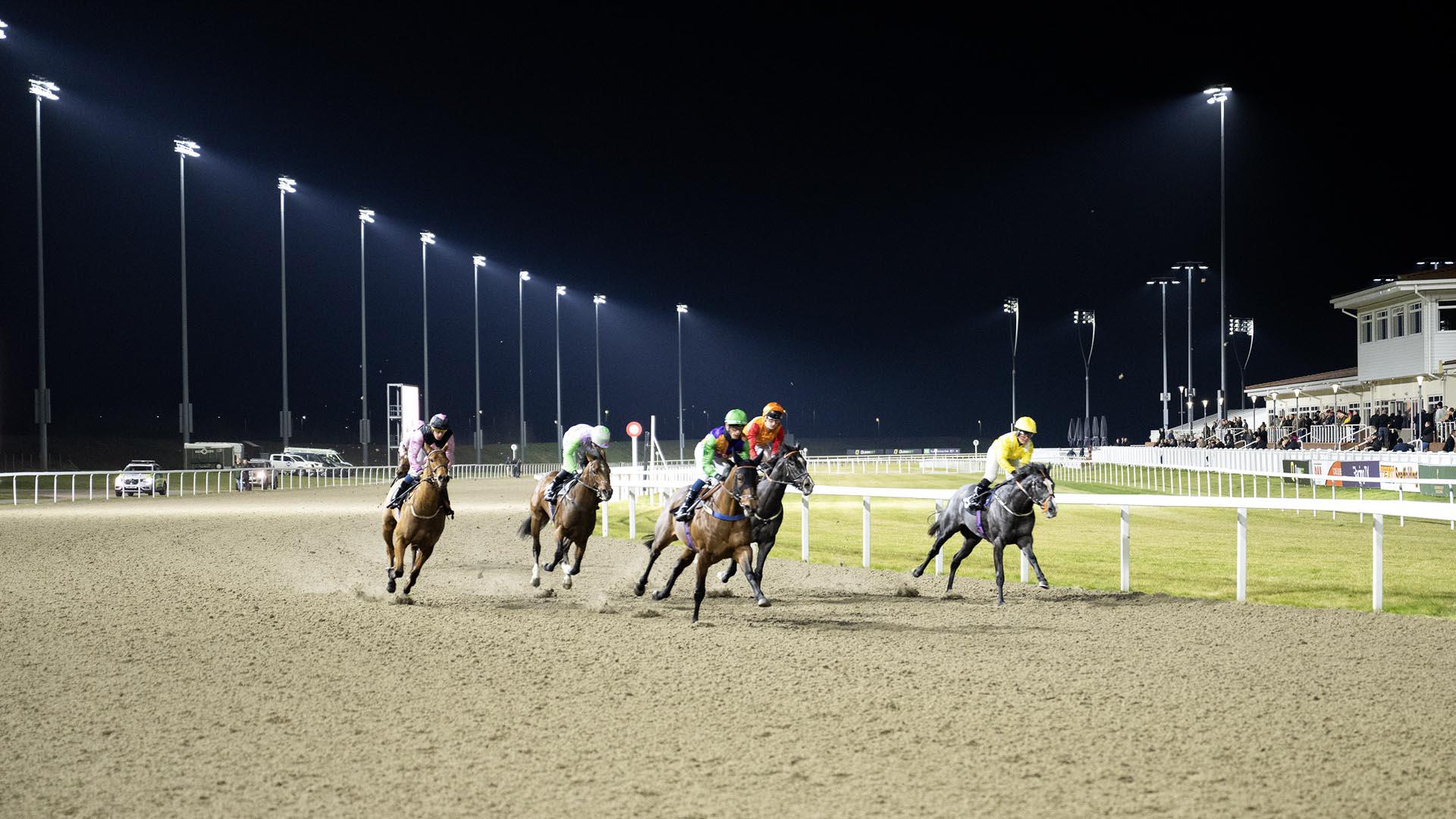
All-weather racing provides consistency when turf racing cannot. Purpose-built synthetic surfaces such as Polytrack, Tapeta and Fibresand are designed to drain efficiently, resist frost, and remain raceable in conditions that would render grass tracks unusable.This means fixtures at courses like Lingfield Park, Kempton Park, Southwell and Chelmsford City can go ahead when much of the jumps programme is decimated.
In short: all-weather racing keeps the show on the road.
A Lifeline for the Racing Industry
When jumps racing is repeatedly called off, all-weather racing steps in as an economic stabiliser. It ensures:
A steady flow of racing for betting turnover
Consistent work for jockeys and stable staff
Opportunities for horses that need regular runs
Continuity for broadcasters and sponsorsWithout it, winter racing would be fragmented, unpredictable, and financially damaging for many within the sport.
A Different Skillset — Not a Lesser One
All-weather racing is sometimes unfairly dismissed as a “second-tier” product. In reality, it simply demands a different type of analysis. Pace, draw bias, surface preferences, sectional times and trainer intent often play a far bigger role than ground changes.For informed punters, this creates opportunity. Consistent conditions allow form to be assessed more accurately, reducing guesswork and making results more repeatable than on constantly changing winter turf.
Supporting Horses and Trainers Through the Winter
Not every horse is built for deep winter ground or fences in testing conditions. All-weather racing provides a safe, competitive option for flat horses to remain active throughout the colder months without being sidelined by abandoned meetings or unsuitable going.For trainers, it allows planning and progression rather than constantly reshuffling entries due to the weather forecast.
The Balance British Racing Needs
This isn’t about replacing jumps racing — far from it. National Hunt racing is central to the identity of the sport. But modern British racing needs balance, resilience and adaptability. As weather disruption increases, all-weather racing is no longer a “nice to have”; it’s a structural necessity.
Final Thoughts
When jumps meetings are lost to rain, frost or snow, all-weather racing ensures British racing doesn’t stand still. It protects livelihoods, keeps fans engaged, maintains betting ecosystems and provides safe, reliable competition when turf racing simply cannot.In an era of unpredictable weather, all-weather racing isn’t the backup plan — it’s part of the solution.
The next big priced winnner is only ever just round the corner.
Thank you for signing up!
Oops! Something went wrong. Please try again later.