
There are more tipsters online now than ever before. Instagram, Telegram, Twitter — everyone’s suddenly an “expert”. The problem is, most of them aren’t. They’re marketers first and bettors second… if they even bet at all.
So how do you separate the genuine operators from the time-wasters and outright fakes? Here are the biggest red flags I’ve seen over the years.
This is the big one.
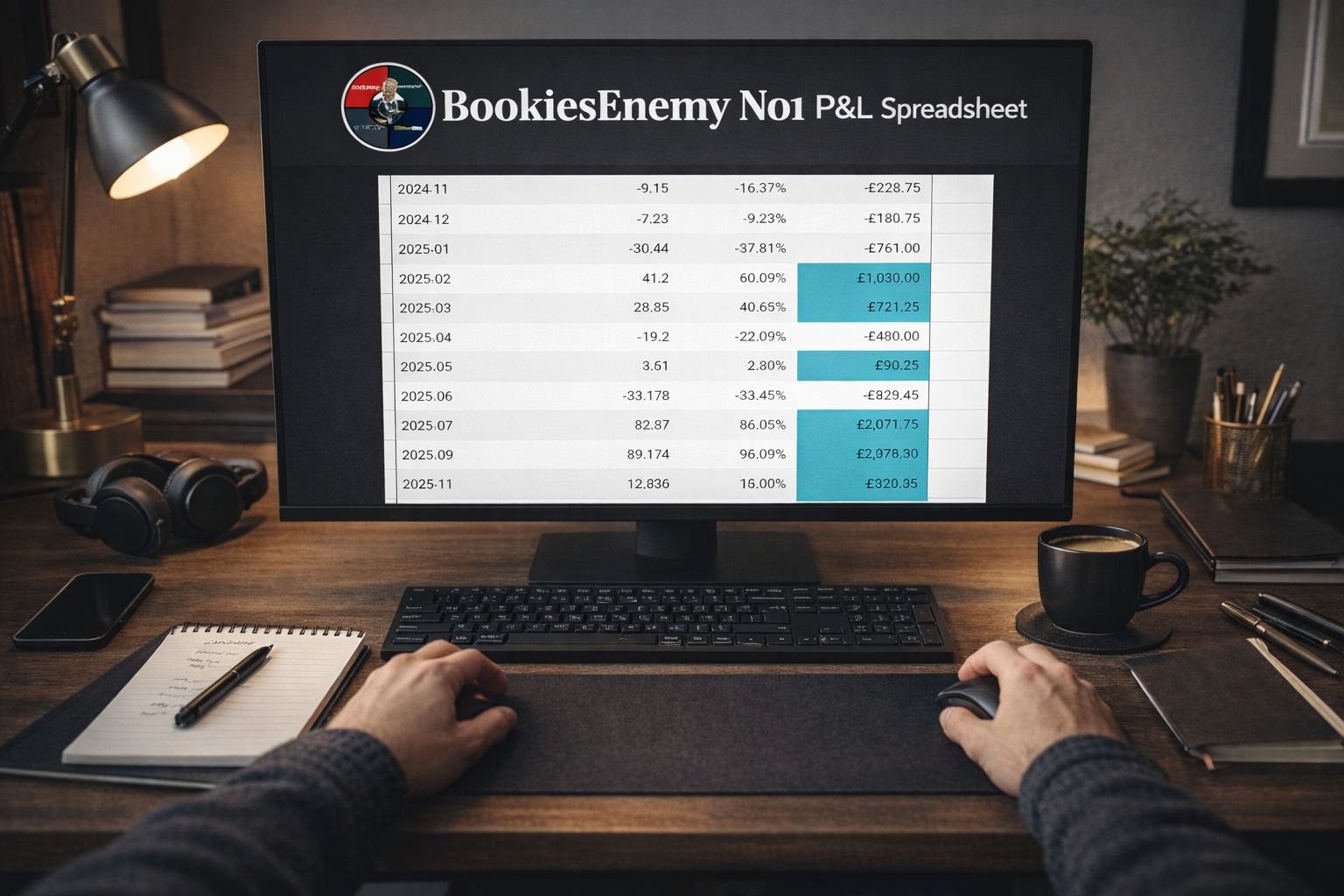
If a tipster doesn’t show a proper profit & loss sheet, walk away. Not “we’re up this week” screenshots. Not the odd winning bet posted after the fact. A real tipster tracks results over time and shows:
Anyone avoiding a full P&L is doing it for a reason.
Scroll their feed. If every post is green ticks and rocket emojis, you’re being sold a highlight reel.
Losses happen. Anyone betting seriously knows that. A tipster who never shows losers either:
Transparency isn’t pretty all the time, but it’s honest.
Another classic tactic: “Last few places!” “Price going up tonight!” “Join now or miss out!”
Genuine services don’t need constant pressure selling. Results and reputation do the talking. If someone’s always rushing you to pay, it’s usually because retention is poor.
Guaranteed winners. 90% strike rates. “Turn £50 into £5,000”.
This isn’t trading crypto in a bull market — it’s horse racing. Variance exists. Losing runs exist. Anyone pretending otherwise is lying or clueless.
Who actually runs the service?
If there’s no real name, no history, no accountability — that’s a problem. You’re trusting someone with your money and your discipline. An anonymous Telegram admin with a cartoon logo isn’t enough.
Good tipsters don’t need to shout. They don’t hide losses. And they don’t rely on hype.
If there’s no proof, no transparency, and no long-term record — it’s not a service, it’s a scam.
The next big priced winnner is only ever just round the corner.
Thank you for signing up!
Oops! Something went wrong. Please try again later.